Redeeming Sex by Debra Hirsch

hirsch

Well, Hirsch is certainly tackling the hot issue of our day. While she addresses the big perspective of sex in all our lives, she ultimately writes to confront how Christians and churches interact with the LGBT community. Having been deeply involved in the LGBT lifestyle herself, she writes as a believer now. While some of her insights were profound, I felt she often gave away the farm in an effort to plant the seeds of reaching them.

She did well when she explained that in many such things we are attempting in a flawed way to reach the God we desperately need. When she talked of the brokenness in many lives before and during their LGBT days, she was spot on. When she explained that we have been failing as Christians to reach that group, she often pegged our failures clearly.

The problem with the book is the solutions she presents. I felt that being a celibate gay was enough for her. I don’t know how that position could be maintained biblically, and she made little attempts to do so. She pointed out that we view a man leaving his wife for another woman differently than for another man as if to prove we are unfair. What she fails to see is that there is a possible holy relationship between a man and a woman that could never be true of a man and a man. Suggesting that cultural factors might weaken the force of what she admits are all negative biblical passages is a poor argument too.

She at least seemed sincere and caring as she wrote, but she did not, in my view, strike the right balance between holding to truth and not being overly judgmental. Some will love it, but I cannot give a high recommendation to it.

I received this book free from the publisher. I was not required to write a positive review. The opinions I have expressed are my own. I am disclosing this in accordance with the Federal Trade Commission’s 16 CFR, Part 255.
Disaster Ministry Handbook by Aten and Boan

disaster

Have you ever wondered how to respond to crisis or disaster as a church? The volume will provide all the detail you could ever need on the subject. The Introduction tells the interesting way the authors developed their passion for this ministry and explains why few have ever thought more deeply about the subject than they have.

I felt chapter two on disaster basics was enlightening. Especially things like disaster phases gave insight into what needs really are present over time, even beyond the initial crisis.

Chapter three was the weakest as it used trendy terms to discuss Christian obligation. I believe a better theological presentation could have been given. The rest of the book is the nuts and bolts of disaster ministry including excellent forms to carry out their recommendations. That could hardly be better.

Few might read it through as it has more of a manual feel, but I doubt any one attempting to implement a large disaster ministry, or write about it, will be able to ignore this volume going forward. My only criticism is that I don’t see how smaller churches could implement it. Still, I recommend it for all those interested in disaster ministry.

I received this book free from the publisher. I was not required to write a positive review. The opinions I have expressed are my own. I am disclosing this in accordance with the Federal Trade Commission’s 16 CFR, Part 255.
I Will by Thom Rainer

iwill

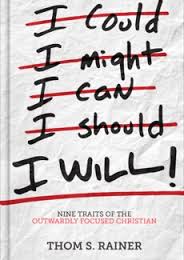
Here’s a needed book for pastors and church members alike. Pastors need to know what church members are really thinking these days. At the same time, church members would do well to recognize how the culture has affected us all and turned us into church consumers who only view church in terms of what benefits it can give. Lost in the shuffle is service, which clearly is a bedrock of Christianity.

Rainer is the perfect author for this subject. He’s been studying churches and pastors for years. He challenges us to break out of the straitjacket of an inward focus. It is, as he writes here, a matter of the will.

As we have shifted to a preference-driven mentality, he diagnoses our real problem: the focus of our worship is not on God. He encourages us to say “I will” to corporate worship. He also encourages us to grow together with others rather than in isolation. His chapters on serving and going would likely revitalize any church whose members put it in practice. He wonderfully discussed the oft avoided subject of giving too.

The final three chapters on determining not to be a church dropout, avoiding the traps of churchianity, and deciding to make a difference are a challenge to every individual Christian. As a pastor, I wish  church members everywhere would read it.

I received this book free from the publisher. I was not required to write a positive review. The opinions I have expressed are my own. I am disclosing this in accordance with the Federal Trade Commission’s 16 CFR, Part 255 .

Rediscovering Discipleship by Robby Gallaty

download

“Making Jesus’ Final Words Our First Work” reads the subtitle as it reveals the passion for discipleship that you will find between the covers of this book. I have never read a book that biblically makes the case for discipleship as well as this one. Beyond that is the practical guidelines given by one with much experience. There’s seven chapters on the why and six on the how.

Part One includes an in-depth look at how Christ made disciples. The chapter on “Thinking Like A Hebrew” is profound in its insights and one of the most powerful in the book. Then he got into the type of people Jesus discipled–blue collar, untrained, and young–and shows us there might be better candidates around us than we supposed. He also makes sure that we don’t lose sight of the goal that the disciple be transformed in the image of Christ. 

He looks at discipleship historically as well going back to Augustine. His analysis of Wesley’s effective methods will really get you thinking. His thought that a comma in the KJV did the most damage to discipleship seems overdone, but otherwise his historical insights seem hard to refute.

The second part of the book highlights what he has learned from personal experience. His way is not the only way, but his experience makes him deserve our ear. Finally, he makes a clear distinction between evangelism and discipleship. Discipleship is for believers! This work deserves the prominent place on our shelves for often use.
   

I received this book free from the publisher. I was not required to write a positive review. The opinions I have expressed are my own. I am disclosing this in accordance with the Federal Trade Commission’s 16 CFR, Part 255.

So You Must Be In Full-Time Ministry? (IBTR #59)

Have you ever been in a meeting where the strong impression is given that any life other than being in full-time ministry is a failed one? Have you not particularly felt that call on your life but been pressured, or even guilted, that if you were where you should be you would go into ministry? I am not sure what level this happens in other areas of Christianity, but it is widespread in the Independent Baptist world.

This is a problem, a problem with many implications. I say that even though I love being in the ministry and think it is an awesome life. I also love seeing young men go into the ministry and fear we may eventually face a crisis where there will not be enough in ministry to meet all the need.

Still, to say that one must be in full-time ministry to please the Lord is wrong on many levels. It degrades those you who are called to other noble lives. It overlooks that we need Christians in every honest field. It misrepresents Scripture as well. Think of some great Bible characters who were preachers.

The most collateral damage with this problem materializes in misspent lives. It could be as minor as a young person being forced into Bible college. That is a minor thing as Bible college could do you some good even if you did something else. Then, though, there are those highly-charged services where the aforementioned pressure is put on and many respond to “the call.” Then some fine young will not want to be the one who doesn’t love the Lord and in an emotional moment he will go forward and say he is called.

This will go wrong in some way as “the call” is real but must come from the Lord and not emotions. That young man may graduate and then either fail completely, not because he is bad or undedicated, but because he is uncalled. Or he may never land in a pastorate and feel like a failure when he is only uncalled. Some of these guys make wonderful Christian layman and thrive in some career that they thought was only to pay the bills. They may do pulpit supply, or be a deacon or song leader and do fine. Why? Because it was where they were called. I hate to see young men who finally stumbled into their real calling still feel like a failure on some level. It simply isn’t true.

The lesson for us is that we should encourage those who faithfully serve the Lord even if they once thought it was to be in ministry. We should also quit putting undue pressure on our young people. Our counsel should be that they find God’s will, no matter what it is, and give it their best. It is far better to pray for God to call more men than to push young men into a call they did not receive. This would spare a lot of pain on many levels.

Find all articles in the series here.

IMG_2370

Shepherding God’s Flock– A Book to Help Us Learn Biblical Leadership

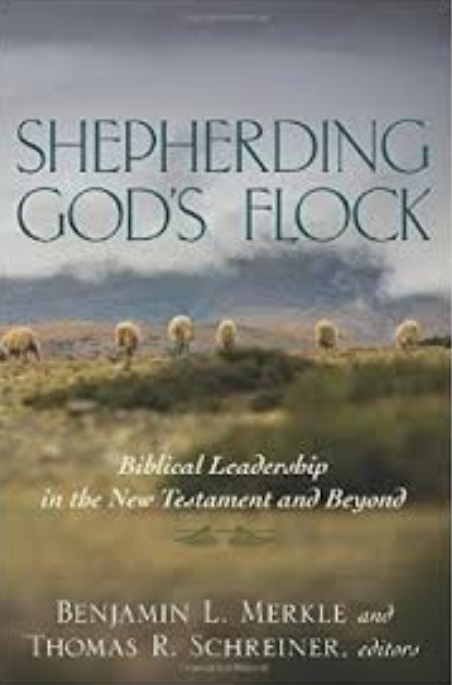
Here is a book on a hot topic in our day–what church leadership ought to look like. With a clear call to be a true shepherd, this volume also discusses church polity. It is written from a Baptist perspective, is kind to all viewpoints, and it it has no problem stating its own position. Eleven contributors join forces to give us a clear, worthwhile volume.

Beginning in Bible times, this volume discuss how much the church borrowed from a synagogue background of the times (not as much as some say it concludes). Chapters 2-4 masterfully guide us through the Gospels, Acts, and the Epistles.

While the volume speaks passionately at times on ministry, it could as easily find a place on the ecclesiology shelves. Two chapters explain Catholic polity. Though I found that less interesting, a good case was made for the affect that has had on all Christianity. Next we have the Presbyterian model of church government well explained. Then Anglican thought is described.

Finally we have Baptist thought discussed. As a Baptist, I think the reasons we do not agree with the above options are well given. Then, the authors go on to show that they believe a plurality of elders are the correct biblical model too. I do not agree and was unpersuaded by the arguments given. They were fair and candid, however, in mentioning that there is little proof that this is the historic Baptist position. They work had at making their case and readers will do well in learning from them as they state issues well.

Chapter 11 is a superb conclusion about shepherding a flock today. We can learn from this volume.

I received this book free from the publisher. I was not required to write a positive review. The opinions I have expressed are my own. I am disclosing this in accordance with the Federal Trade Commission’s 16 CFR, Part 255.
IMG_2364

Persuasive Preaching by Overstreet (Books on the Ministry #16)

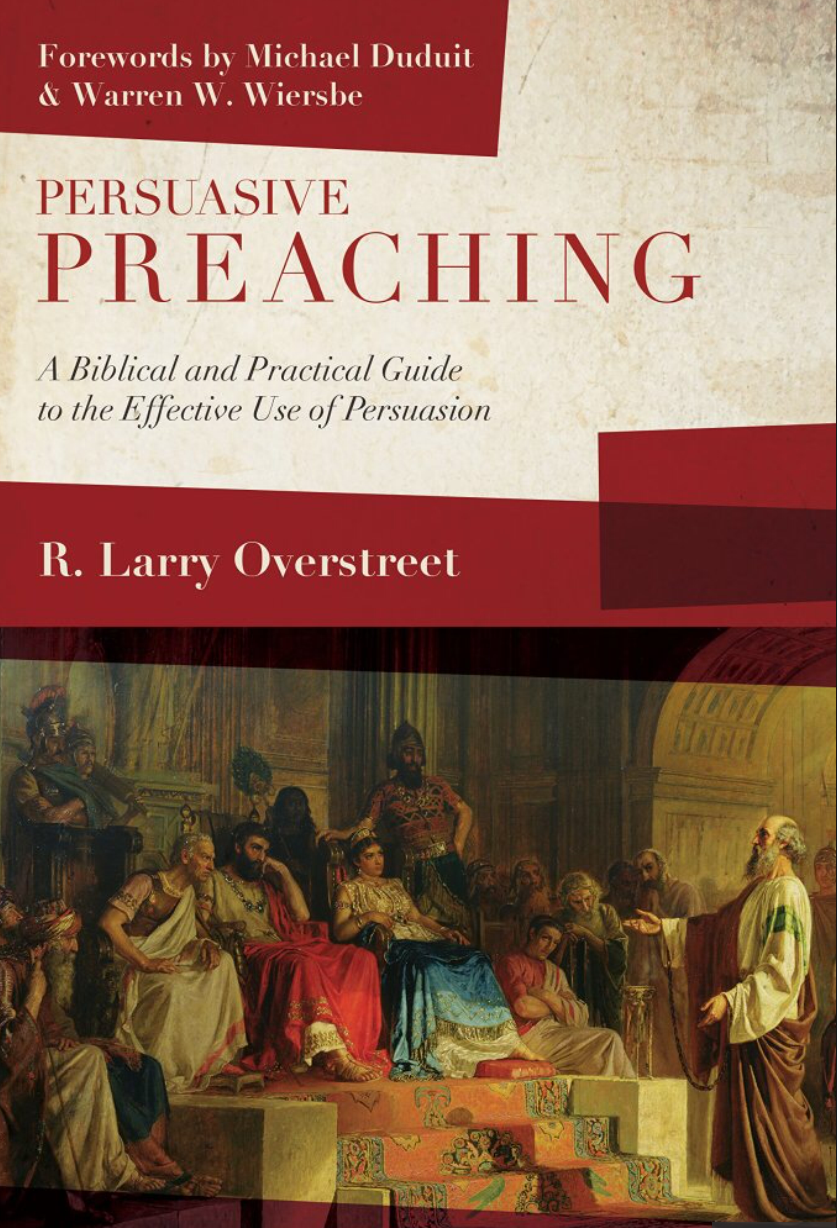
Have you ever given thought to the role persuasion plays, or should play, in preaching? What are its legitimate roles? You will, then, appreciate this new volume entitled Persuasive Preaching by R. Larry Overstreet and published by Weaver. The subtitle “A Biblical and Practical Guide to the Effective Use of Persuasion” aptly describes the author’s approach.

He feels persuasion is getting a bum rap these days and the quality of preaching suffers accordingly. With a scholar’s touch, he defines persuasion and what it has looked like in preaching in the past. God’s Word, to be sure, calls for a response. He had an excellent discussion on post-modernism and how that has negatively affected preaching. He was spot on.

He gives deep discussion on the Hebrew and Greek associated with preaching as found in Scripture. That may be heavy for some readers, but his point was surely proven–persuasion is part of preaching.

Chapter 6 on ethos with its vivid discussion of important passages was my favorite in the book. It was, can I say, the most persuasive.

Toward the end the book turned more toward how to practically put persuasion in our preaching. Particularly helpful was the the discussion on persuasion versus manipulation. Finally, he points out the necessity of the Holy Spirit in our preaching.

We preachers should wrestle with this subject and this book is likely the best we have on this specific point. I recommend it.

I received this book free from the publisher. I was not required to write a positive review. The opinions I have expressed are my own. I am disclosing this in accordance with the Federal Trade Commission’s 16 CFR, Part 255.
Other books in this series

IMG_2165.PNG

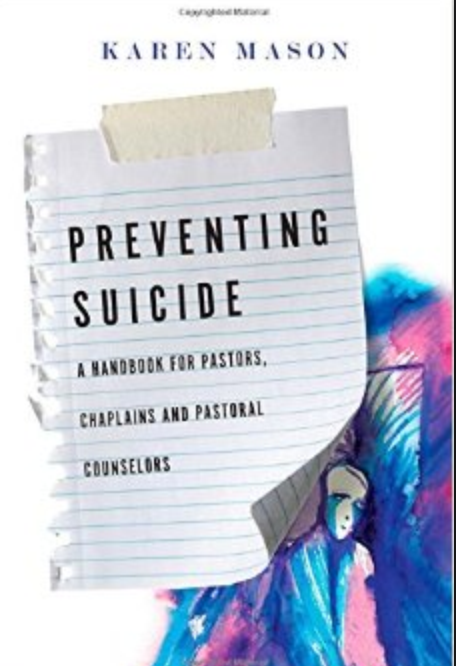
Preventing Suicide: A Handbook For Pastors, Chaplains, And Pastoral Counselors

This is, of course, an unpleasant subject, yet in reading this volume I realized how poorly prepared I am as a pastor to deal with this crisis in my ministry should it, God forbid, happen. As I thought about it, I recalled pastor friends who have faced this very trial. I can only imagine the anguish of soul of these shepherds, not to mention the families whose world is suddenly turned upside down.

This volume by Karen Mason and published by IVP is astonishingly effective in its goal of bridging the gap between theology and psychology in addressing this timely issue. The psychology was restrained and effective while the theology was quite good from the author whose experience ran a little more in psychology.

The book is practical in its emphasis on prevention, ministering, and the role of churches and pastors. We get a good overview of what suicide is and who most often dies by suicide (she tells us not to say “commit suicide”).

The chapter on “Shattering Myths About Suicide” embarrassed me because I held to most of them! She well described the common positions of those who hold suicide is not a sin as well as those who do including those who wrongly say a true Christian cannot die by suicide. There are real aids to families who fear this erroneous doctrine to be gleaned here.

There is detailed help in dealing with a suicidal feelings as well as ministering to those struggling after being left behind. The ever present issue of an unfair stigma on a grieving family is well presented here too.

I recommend all my pastor friends, as well as those who have need to deal with issue, grab a copy of this fine resource.

I received this book free from the publisher. I was not required to write a positive review. The opinions I have expressed are my own. I am disclosing this in accordance with the Federal Trade Commission’s 16 CFR, Part 255.
IMG_2139.PNG

Books on the Ministry #15

Here are four more outstanding volumes on the ministry. Two are timeless classics, and the other two are lesser known but well worth reading.

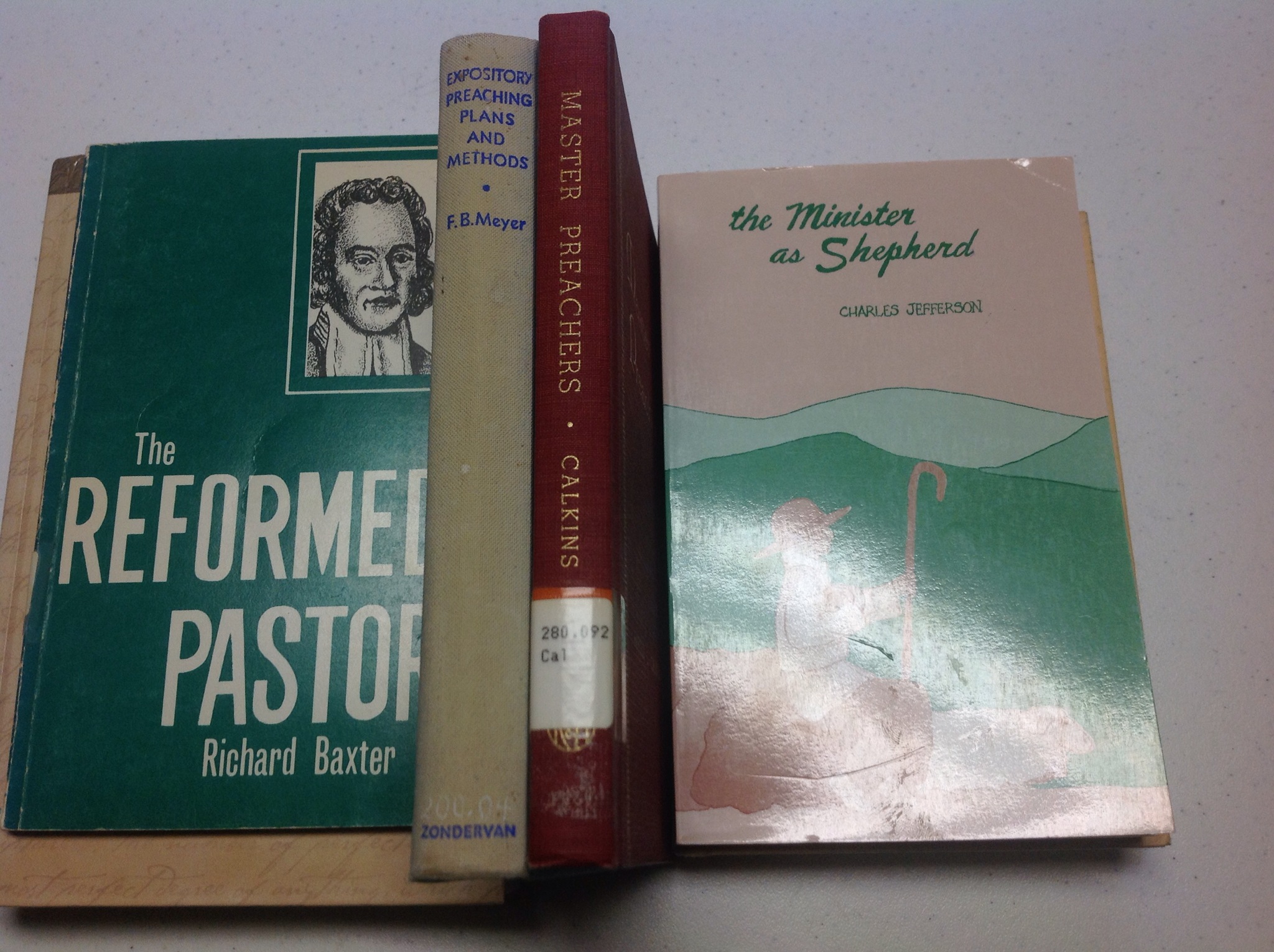
1. The Minister As Shepherd by Charles Jefferson

I read this volume in the very early days of my first pastorate and no book has shaped my thinking more about what pastoring looks like. In line with Scripture, he deftly compares our work to that of a shepherd. There could hardly be a better approach. We could use his wisdom today. He says so many good things!

“It is not necessary to put grass into the sheep’s mouth.” “Dictators are out of place in the pulpit.” Of us: “They are his representatives, but they do not take his place, nor possess his power. There is but one Lord, Jesus Christ, God’s Son.” He points out that Jesus says, “Feed MY sheep.” He tells our reward as: “The reward of the shepherd is that he becomes increasingly like the Good Shepherd.” Wow!

Pastor, this book will change your life.

2. The Reformed Pastor by Richard Baxter

That this classic volume is still such a blessing shows the timeless nature of what we do. When I finished this book years ago I wrote on the fly leaf: “Excellent! He cuts pastors no slack! We must wholeheartedly serve God!”
He tackles some of the harder aspects of pastoring, including dealing with matters of church discipline. “Reformed” in this case means “revived” and you will see that he writes with the gusto of one revived!

This book has been incredibly influential for a long time and still has something to say.

3. Expository Preaching Plans And Methods by F. B. Meyer

When one is an expert marksman in tracking out warm, glowing expository messages from the pages of God’s Word, his words on expository preaching are worth hearing. F. B. Meyer was such a man. You will be blessed reading any of his messages.

Whether it be specific pointers or speaking to the big picture of expository preaching, he is quite helpful. I love how he quoted Philip Henry who didn’t go over their heads, nor under their feet, but to their heart.

Take this to heart: “Many a track of Scripture, when we first read over it, seems as though it were hardly worth considering, and then the hidden Christ is suddenly discovered.”

Another gem!

4. Master Preachers by Harold Calkins

Here is something different. He takes several of the great masters of preachers and tells us about their study and devotional habits. For me, it didn’t hurt that he covered some of my very favorites–Maclaren, Spurgeon, Morgan, Parker, Whyte, Jowett, Muller and others. I am shocked he included Harry Emerson Fosdick, but one gravel among diamonds can be handled I suppose.

He writes that you and I may have more effective and fruitful ministry. I can’t imagine the reading required to put this volume together. There are so many illuminating nuggets. Did you know that Whitefield read Matthew Henry through on his knees? Did you know that Muller prayed even more for his sermons than financial needs? He explained how MacLaren would draw out shades of meaning and people would respond how it was all in the text and how did they miss it. There is so much more.

Happy reading!

For all articles and books discussed in this series click here.

IMG_2107.JPG

Faulty Measurements And Misunderstood Results

Christians do it all the time. Pastors are the very worst. It can lead to great discouragement and pain. What am I talking about? Attempting to measure the results of our efforts for Christ when we know not how to measure, nor what success really is.

I guess in the end we worry more about the results of what we planned to do rather than being simple servants of Jesus Christ.
His plan, not fully even understood by us, is not enough for us. We live for what we might do for Him rather than what He might do through us. We carelessly blur the line till we are living for what we want to do and consider ourselves a failure when it doesn’t all work out as we planned. May I encourage both you and I to think about this from a different angle?

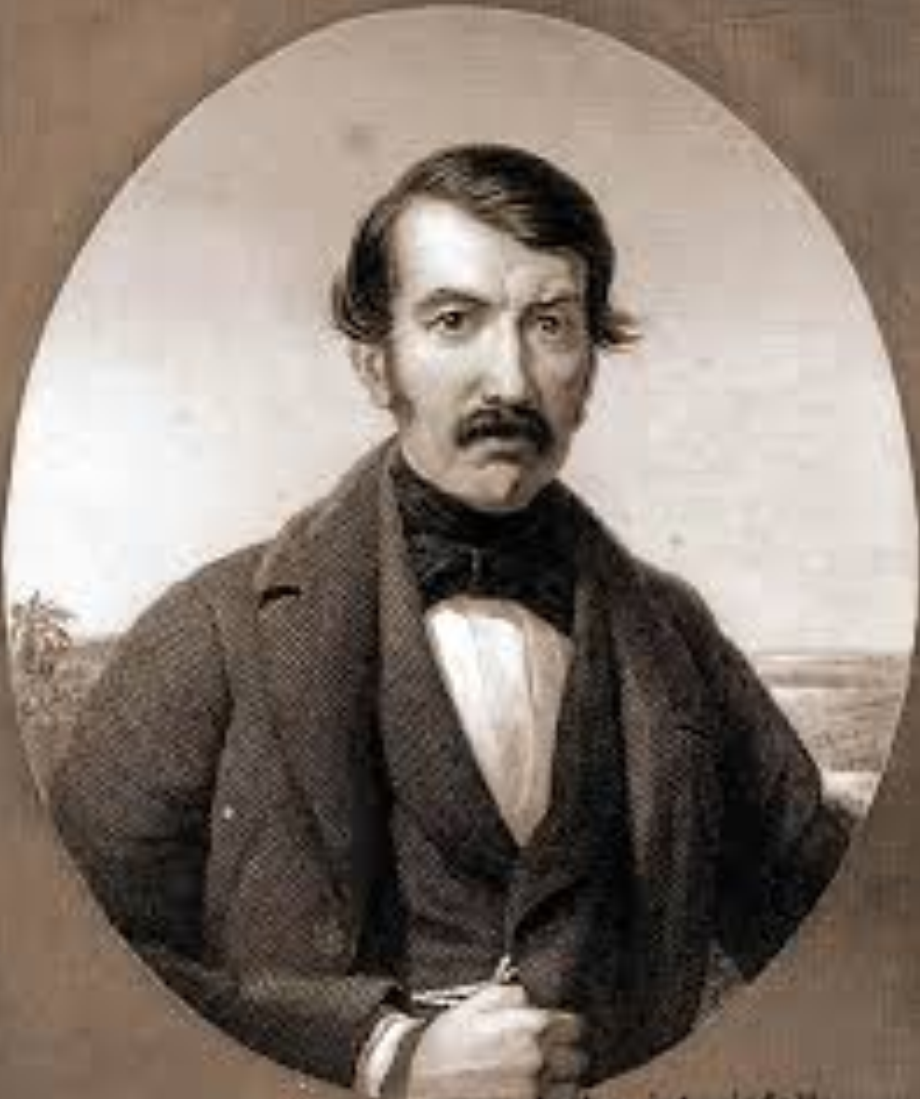
I read and reviewed a moving book about David Livingstone (link to review below). If you are like me, you count him as a hero and are inspired by his life for Christ. He was just a man. Perhaps he got a little sidetracked on exploring at the expense of his missionary efforts at times. He could be a little tough on those who worked under him in the harsh conditions of Africa and a few relationships were severed along the way. I am sure he was filled with regrets over the way he treated his wife and children. Still, he gave his life to the work he believed Christ gave him to do until that life was gone.

He clearly was led by God to see that exploring Africa would make a way for the Gospel. If the rivers could be mapped properly, missionaries could be brought in. He came to learn, quite accurately, that slavery would be a complete barrier to bringing the Gospel as no African would know the difference between a white slavetrader and a white missionary. So he went relentlessly.

In his later years he dealt with the discouragement of his results. One of his main expeditions was an embarrassing failure that haunted him his last years. Critics came out to agree with the worst thoughts his censuring mind could conjure up. The book I read showed these things really bothered him. His wife died just like her parents predicted she would if he took her to Africa. He mistakenly made finding the headwaters of the Nile his key exploration goal and he never found it. He exerted what influence he could in Africa and through letters to Europe to fight the slave trade. From his perspective, it was as ugly and bloody the day he died as ever.

He loved His Lord. On his last expedition he surely knew he was dying. He knew that meant his life would end with another failed exploration. Missions were not thriving in Africa and the slave trade marched on. I imagine he was a broken man, in body and spirit, as he knelt by his bed in prayer and then closed his eyes in death.

But Livingston was wrong. He measured his life by only what he could see. He forgot the very thing you and I so often do–what God is doing. As the book I read so magnificently showed, God was doing mighty things. He had no idea that the Lord was using his letters in Britain to kill the salve trade. He had no idea it would that the main slave market in Zanzibar would close within a month of his death. He had no idea that that army of missionaries that he dreamed of would in fact flood the African continent on the trail he blazed. He died thinking he was a failure and all lovers of Christian biography have David Livingstone volumes on their shelves. He was dead wrong.

I realize that after death we may not have the reputation Livingstone had, but it likely will not be the dark conclusions we imagine either if we have truly given our lives to serve Him. Our Lord feels no obligation to reveal all He is doing on a schedule that will massage our egos. In Heaven we can connect all the dots, but now are the days of simple service. Avoid measuring eternal results with instruments calibrated for time. Give Livingstone credit. He may have played some of the mind games of measuring results, but he never stopped serving his Savior. Right up to that day deep in Africa when he went home to look upon his Savior’s face. Let us follow his example there.

Book review:
The Daring Heart of David Livingstone

IMG_2106.PNG